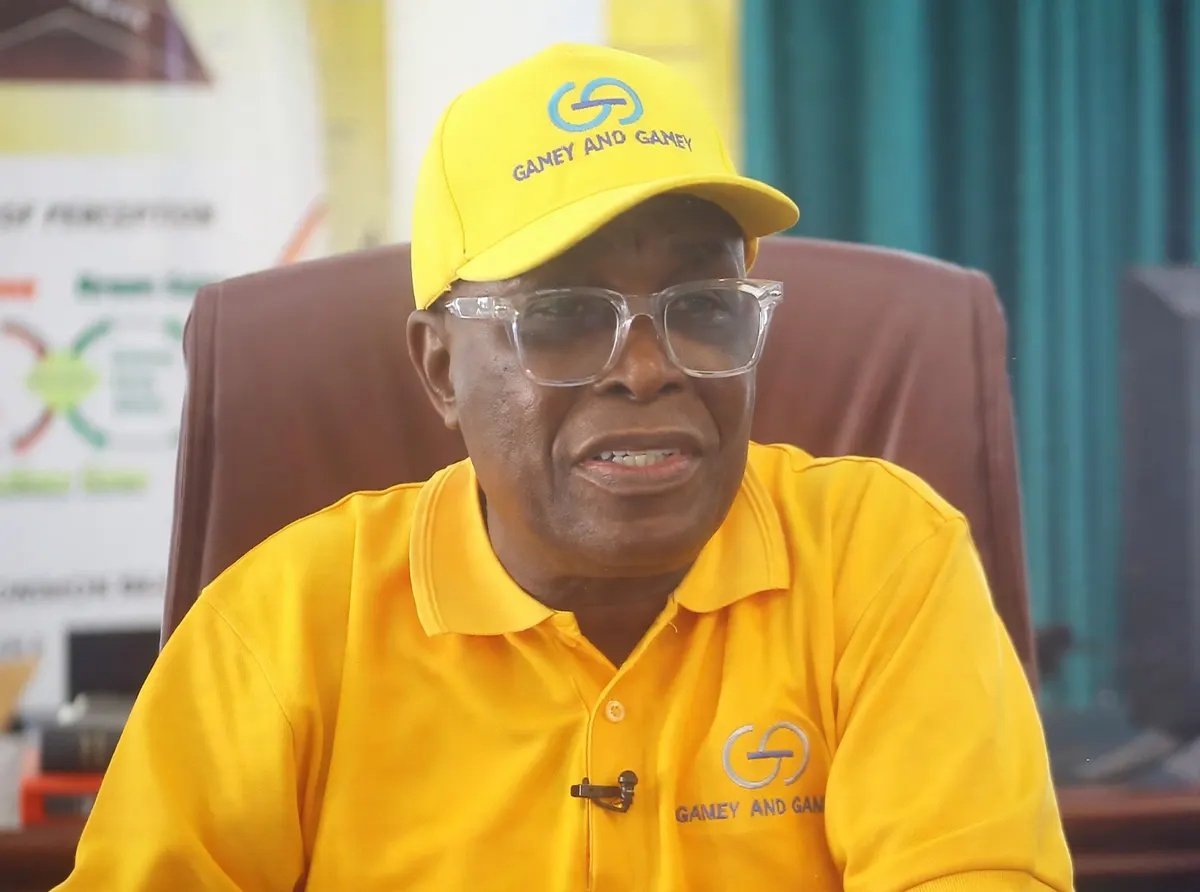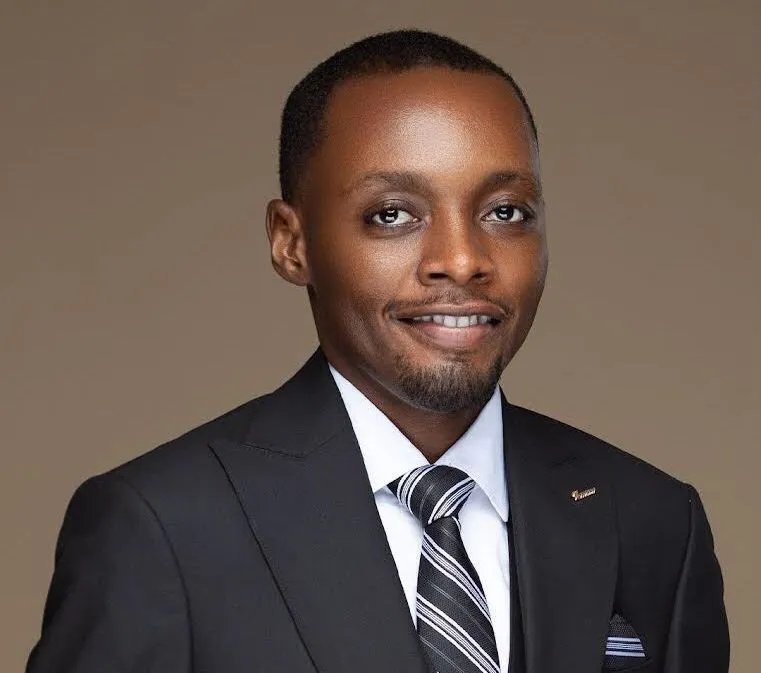
Ghana should require every presidential ticket to include both a man and a woman, creating a constitutional model of gender-balanced leadership, argues media practitioner and student of International Affairs and Diplomacy Kwame Anum.
The proposal would give women a fairer and more realistic route to the highest offices in the country, moving gender inclusion beyond symbolic representation. A nation’s commitment to equality, Anum argues, should be measured not only by the number of women in public positions but also by whether they can reach the top of government.
To the best of current knowledge, no country requires its President and Vice President to be of opposite sexes. Ghana therefore has an opportunity to become the first to mandate mixed-gender presidential tickets and establish a new standard for inclusive democratic leadership.
Under the proposal, tickets could be either male-female or female-male. The requirement would place gender inclusion at the centre of the Presidency, while encouraging political parties to develop diverse leadership and recognise the contribution of both women and men to national governance.
Anum says his experience as a media practitioner has shown him how women have contributed to Ghana’s development in politics, business, education, healthcare and community leadership. Their achievements, he argues, demonstrate that effective leadership depends on competence, vision and dedication rather than gender.
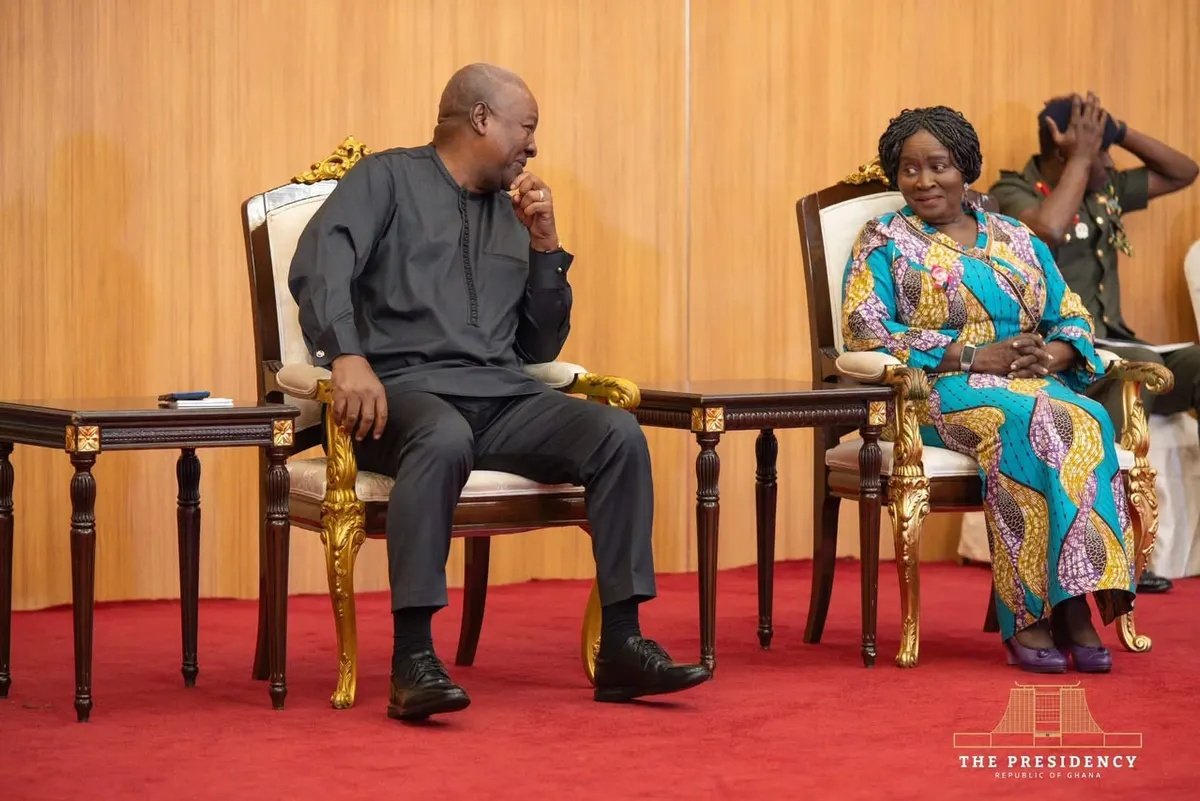
Ghana has made recent progress. The 2024 elections saw H.E. Jane Naana Opoku-Agyemang become the country’s first female Vice President, a milestone which Anum says has encouraged women and girls to see the highest levels of leadership as attainable.
The same year also brought the passage of the Affirmative Action (Gender Equity) Act, 2024 (Act 1121). Its First Schedule sets targets for female representation in public and private decision-making institutions: 30 percent by 2026, 35 percent by 2028 and gender parity by 2034.
Anum describes those goals as commendable but asks why gender equality should not begin at the Presidency. He argues that a legal requirement for mixed-gender tickets would turn the highest office into both a symbol and a driver of inclusion, building on the progress made through the Act rather than allowing recent achievements to stand alone.
A wider African opportunity
Africa has already produced women leaders at the highest level, including Ellen Johnson Sirleaf in Liberia, Samia Suluhu Hassan in Tanzania, Joyce Banda in Malawi, Sahle-Work Zewde in Ethiopia and Netumbo Nandi-Ndaitwah in Namibia.
However, female leadership remains the exception rather than the norm. Ghana, Anum argues, can build on those examples and become a continental leader in inclusive governance by making gender-balanced presidential tickets a constitutional practice.
As Ghana approaches its 70th anniversary of independence, he believes the milestone should mark renewal, reform and progress. The next stage of the country’s democratic development, he says, should begin by ending the era of the all-male presidential ticket.