The Ghana Navy is establishing a specialised Riverine Command and plans to set up Forward Operating Bases along major rivers to prevent illegal miners from returning after security operations.
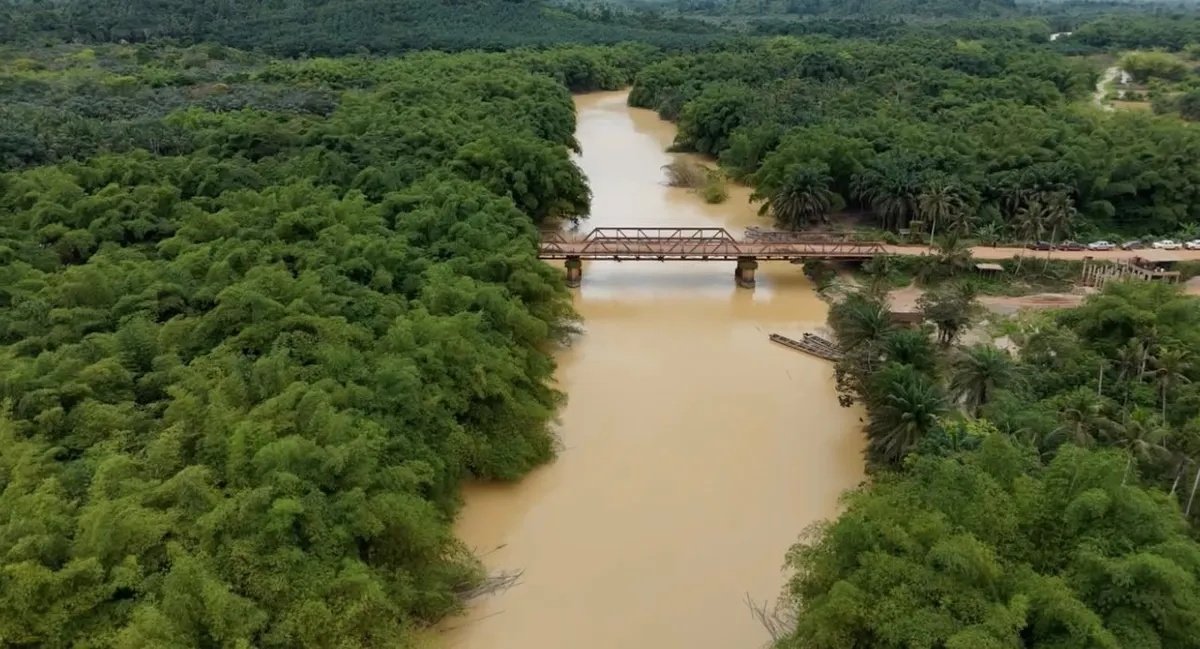
The initiative is aimed at protecting inland water bodies that have been severely affected by illegal small-scale mining, widely known as galamsey.
Commodore Stephen Billins Nyam, Flag Officer Commanding the Western Naval Command and the Two Garrison Commander, said the Riverine Command had identified key river systems and mapped out locations where the bases would be established.
He made the announcement during an engagement with journalists in the Western Region as part of the Western Naval Command’s Media Week and Press Soiree in Takoradi.
Although the deployment plan has been drawn up, Commodore Nyam said the Forward Operating Bases were still being established and had not yet been completed.
He said the bases would provide a permanent military presence on the country’s major rivers once operational, allowing security personnel to maintain surveillance and help reduce pollution linked to illegal mining.
The move is part of wider efforts by the Ghana Armed Forces to support the national campaign against galamsey.
Maintaining a security presence
The National Anti-Illegal Mining Operations Secretariat (NAIMOS) is currently carrying out targeted operations to remove illegal miners from affected areas. However, Commodore Nyam warned that such interventions would have little lasting effect unless security personnel remained in place afterwards.
“Currently, NAIMOS is operating a surgical operation to get them out, but if you get them out and you don’t stay there to police it, the galamsey operators will come back,” he said.
He said the Riverine Command was being created to provide continued monitoring of inland water bodies and address the risk of illegal miners returning after clearance operations.
The Ghana Navy also plans to oversee the Blue Water Guards, whose members have received training to support efforts to protect water bodies from illegal mining.
Commodore Nyam described the fight against galamsey as a major national security issue that required close co-operation between all relevant institutions.
He said naval personnel with expertise in maritime and riverine operations were already working with other security agencies under NAIMOS to tackle illegal mining on the country’s water bodies.
Media and military co-operation
Commodore Nyam said the meeting with journalists was intended to improve co-operation between the military and the media, particularly in sharing timely and accurate information about security operations.
He said effective engagement with journalists was important in helping the public understand the military’s interventions and the difficulties faced by security services.
The Western Naval Command’s Media Week and Press Soiree brought military personnel and journalists together to strengthen relations, improve communication and identify ways to deepen co-operation between the two institutions.
Commodore Nyam said the military viewed the media as an important partner in national development. He encouraged journalists to seek clarification from the appropriate military authorities on security-related issues.
Improved communication, he added, would help ensure accurate information reached the public promptly while protecting the institutional reputation of the Ghana Armed Forces.
By Ebenezer Atiemo