Ghana has removed more than 4,000 migrant beggars and foreign nationals involved in unlawful activities since the start of 2025, Interior Minister Muntaka Mubarak Mohammed has announced.
The Ghana Immigration Service (GIS) removed 2,281 migrant beggars and 774 illegal immigrants linked to organised crime by the end of 2025, according to figures released by the Ministry for the Interior.
The enforcement campaign has continued during 2026, with a further 960 migrant beggars taken from the streets of Accra and Kumasi between January and July. During the same period, immigration officials removed 186 foreign nationals who were engaged in unlawful activities.
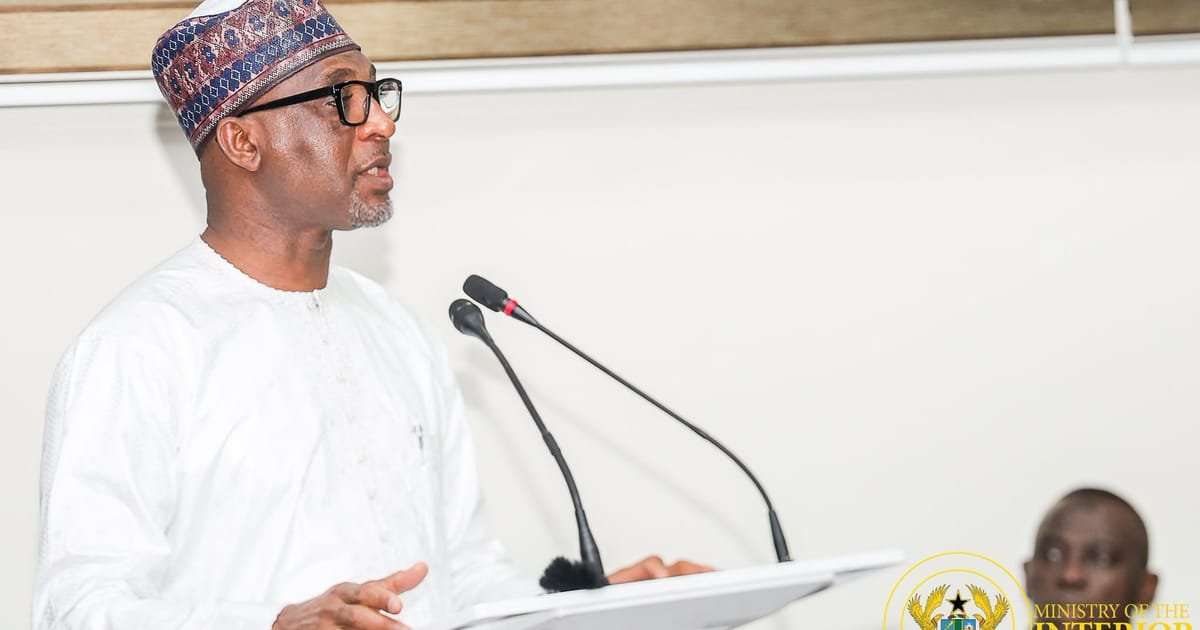
Mubarak disclosed the figures while speaking to the media during the Government Accountability Series on Monday, 24 August 2026. He said the ministry remained committed to tackling human trafficking, street begging and transnational organised crime.
The combined figures from 2025 and the first seven months of 2026 amount to 4,201 removals. The minister stressed, however, that the operations were being conducted within Ghana’s international and regional obligations.
“We are pursuing this removal fully conscious of Ghana’s obligation under the ECOWAS Protocol on free movement of persons as well as the diplomatic relations and long-standing ties we and other countries have,”Mubarak stated.
He added that the government’s intention was to address irregular migration and the unlawful activities associated with it while respecting the rights of those affected.
“Our objective is to reduce irregular migration and unlawful activities associated with it to the barest minimum, while ensuring that enforcement actions are lawful… and carried out in a manner that is respectful of human dignity.”
The figures come as the ministry seeks to explain the scale and limitations of its efforts to control irregular migration. Responding to questions about why the issue continues, Mubarak said the main difficulty was not a lack of political commitment.
Instead, he identified logistical and operational constraints as the key obstacles preventing enforcement agencies from expanding their work more quickly.
The minister said a high-level agreement had now been reached to provide border control agencies with dedicated logistical support. That backing, he said, would allow them to increase the number of removals and strengthen Ghana’s border security.
The government’s position combines a tougher approach to irregular migration with a stated commitment to regional agreements, diplomatic relationships and human rights standards. The ECOWAS Protocol on free movement of persons remains a central consideration in the removal process, alongside Ghana’s long-standing ties with neighbouring and other countries.