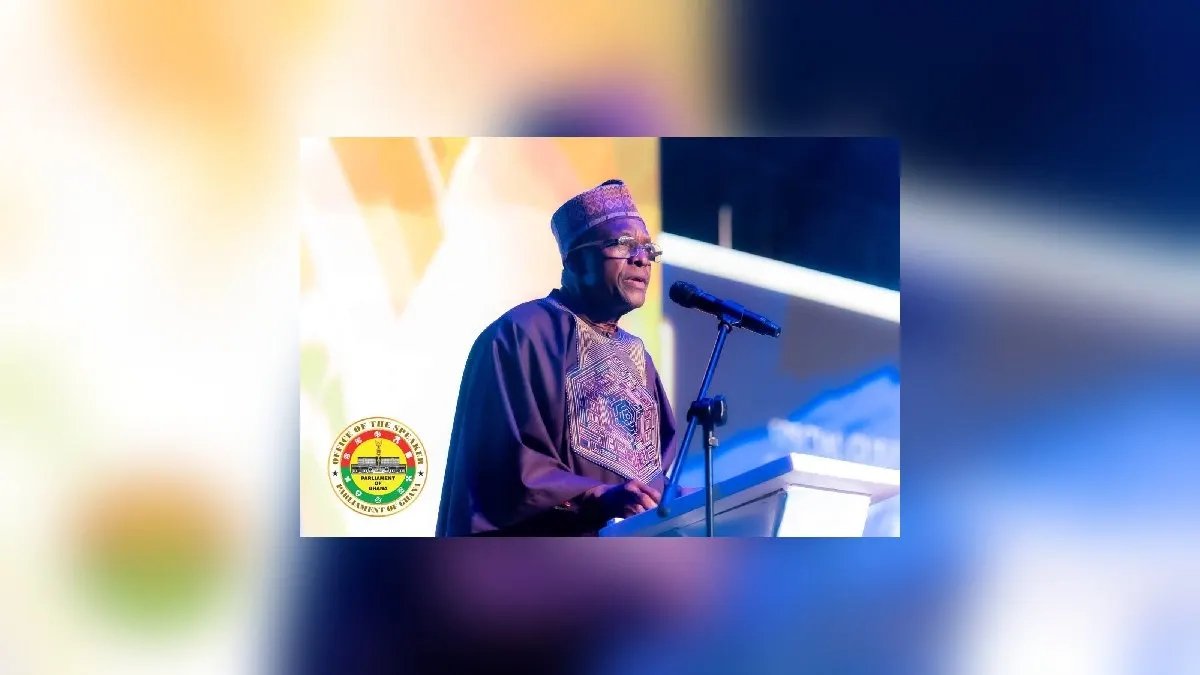
Ghana National Gas Company (Ghana Gas) chief executive Judith Adjoba Blay has called for more strategic partnerships, joint ventures and collaboration between indigenous companies to increase local participation and build a stronger petroleum industry.
Speaking at the Petroleum Commission’s 2026 Local Content Conference and Exhibition in Takoradi on Wednesday, November 10, 2026, Miss Blay said Ghana’s next phase of local content development should focus less on participation percentages and more on improving the technical ability, competitiveness and long-term sustainability of local businesses.
The conference also marks the 15th anniversary of the Petroleum Commission and is being held under the theme: “Enriching Local Content for Sustainable Growth: Building a Resilient Upstream Sector Through Reform and Partnership to Spur Competitiveness and Investment.”
Miss Blay described the event as a homecoming, having spent eight years working at the Petroleum Commission and helped plan and deliver earlier editions of the conference.
She congratulated the Commission’s leadership, led by chief executive Emeafa Hardcastle, for securing the participation of the President of the Republic for the first time.
Reflecting on Ghana’s local content record, Miss Blay said the country had moved from simply creating opportunities for Ghanaians to developing the capacity, competitiveness, sustainability and value-creation potential of indigenous companies.
She said Ghana’s framework had become a reference for emerging petroleum producers, including Uganda, Namibia and Liberia, which had used lessons from the country’s policies and regulations.
However, she said local firms needed greater technical expertise and resources if they were to compete for more valuable and complex contracts.
Ghana Gas, she added, had made indigenous participation central to its operations and now had a fully Ghanaian workforce responsible for operating and maintaining its gas processing, distribution and transmission infrastructure.
Miss Blay said that achievement was particularly important because of the specialist knowledge and technical complexity involved in managing critical national energy assets.
Ghana Gas supplies gas contributing to approximately 83 per cent of thermal power generation and supports the production of about 30 per cent of domestic LPG consumption, while also contributing to industrial development.
She said the company’s experience showed that Ghanaians could operate strategic national infrastructure successfully when supported by investment in human capital, knowledge transfer and capacity development.
Ghana Gas now wants to extend more opportunities to companies and professionals in its operational catchment areas and host communities. Miss Blay said that would depend on expanding the company’s infrastructure and capacity to meet rising demand for natural gas.
She identified the planned addition of a third train compressor and the proposed construction of approximately 278 kilometres of pipeline from Takoradi to Tema as key projects.
The investments are expected to improve the resilience of Ghana’s gas network, increase its ability to meet energy demand and support industrial growth, while opening opportunities for local contractors, service providers, professionals and other indigenous businesses.
Miss Blay urged local companies to combine their expertise, resources and capabilities so they could deliver larger, more technically demanding projects and compete beyond Ghana in Africa and the global petroleum industry.
She reaffirmed Ghana Gas’ commitment to working with the Petroleum Commission and other stakeholders to strengthen indigenous participation, attract investment and promote sustainable growth.