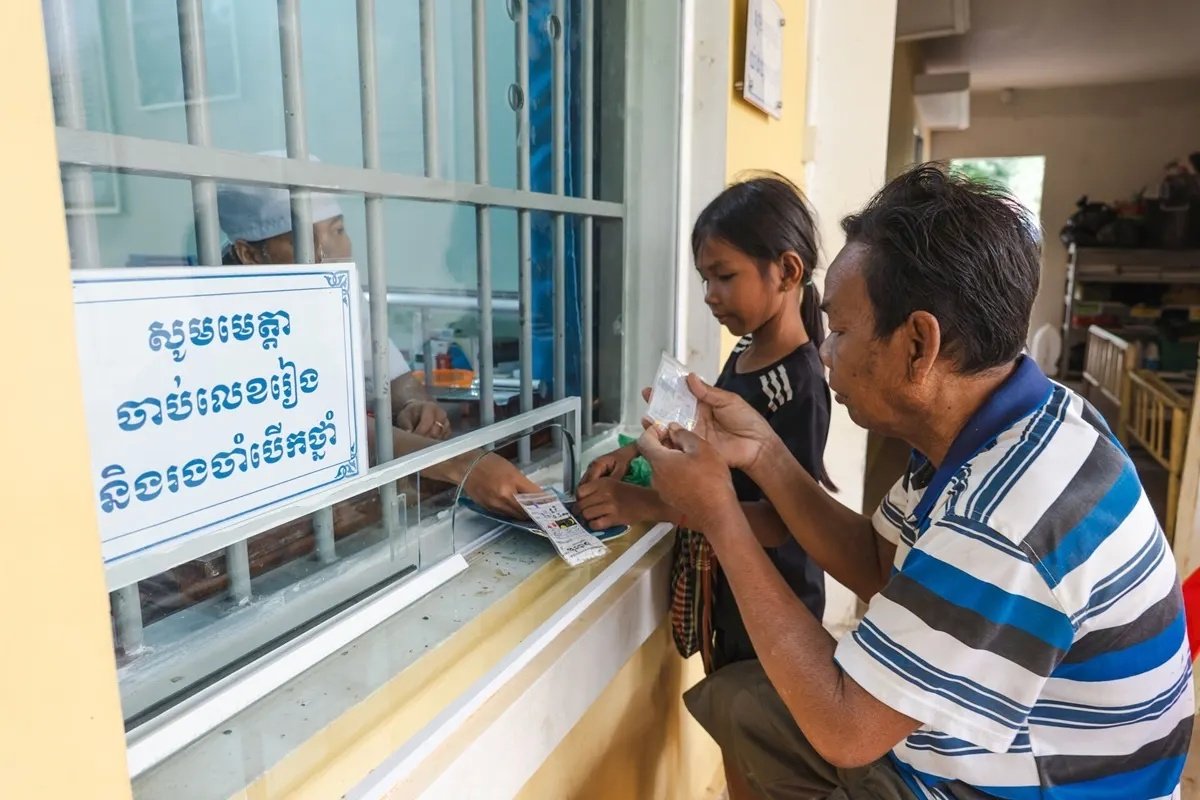
Drug-resistant infections could cause up to 39 million deaths by 2050 unless governments take urgent action, the World Health Organization (WHO) has warned.
The warning came as the WHO published the results of a survey of 183 countries on Monday, 16 November, ahead of World AMR Awareness Week. The survey found that 173 countries now have a national plan to tackle antimicrobial resistance (AMR), compared with 79 in 2017.
However, only 22% of countries said they had both the funding and the full implementation needed to deliver their plans. The findings measure progress against commitments made in a 2024 United Nations political declaration on antimicrobial resistance.
The UK was among the countries to provide financial support, committing £210 million in 2023 to fight AMR in 24 countries, including Ghana.
“National plans are essential for protecting the medicines that protect us, and the fact that most countries now have plans in place is great news,” said Dr Tedros Adhanom Ghebreyesus, the WHO’s Director-General.
“But an unfulfilled plan helps no one.”
Testing and treatment gaps
Bacterial AMR is already associated with more than 4.7 million deaths every year, according to the WHO. If the trend continues unchecked, it could reduce the global economy by more than US$3.4 trillion annually, with low- and middle-income countries expected to suffer the greatest impact.
In 2023, about one in six laboratory-confirmed bacterial infections worldwide was resistant to antibiotics. Failure of treatment can make routine operations, childbirth and cancer care significantly more dangerous.
Diagnostic capacity remains a major weakness. Only 36% of countries have a national reference laboratory capable of testing for the bacteria and fungi on the WHO’s watch list. That is well below the target of 80% by 2030.
The survey also found that 63% of countries had guidelines covering the appropriate use of antimicrobials. About half were able to monitor antibiotic consumption and resistance levels. The Pharmaceutical Society of Ghana has campaigned against the overuse of antibiotics.
To address shortcomings in diagnosis, the WHO has released two tools through its AMR Diagnostic Initiative: a list of priority tests and standard laboratory methods for identifying bacterial and fungal infections.
Ghana among countries affected
The WHO’s regional office for Africa says AMR was linked to 23,000 deaths in Ghana in 2021, including 1,512 children under five. Ghana was the first country in the region selected to pilot the WHO’s people-centred approach to AMR.
A decision on whether to regulate colistin, a last-resort antibiotic for human use, is expected in Ghana early next year, according to the WHO’s research programme TDR. Its research found that resistance on pig farms in Greater Accra increased for eight of the nine antibiotics tested between 2022 and 2024.
This year’s World AMR Awareness Week will run from Wednesday, 18 November to Tuesday, 24 November, under the theme: “One Health, one action: Prevent AMR now”.
The WHO’s new Global Action Plan on AMR, covering 2026 to 2036, aims to reduce deaths caused by antimicrobial resistance and cut the use of antimicrobials in farming.