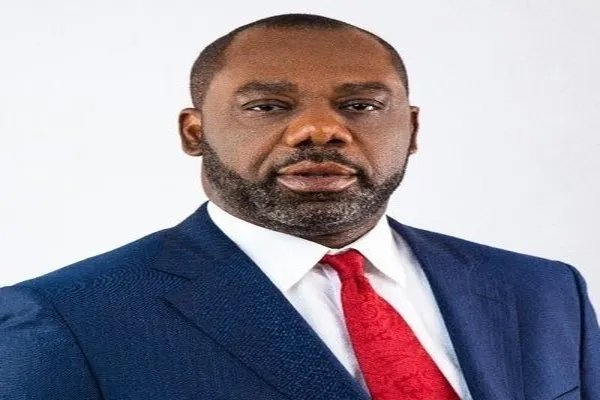
Abuakwa South MP Dr Kingsley Agyemang has urged the Ghanaian government to demonstrate that the country is prepared for a possible Ebola outbreak after Nigeria confirmed an imported case of Ebola Bundibugyo virus disease.
In a statement issued on Monday, October 26, 2026, Dr Agyemang described Nigeria’s case as a serious warning for Ghana and the wider West African sub-region. He said infectious diseases did not respect national borders and called for immediate action to strengthen Ghana’s health emergency systems.
Nigeria confirmed the case on October 20, 2026, involving a woman who had travelled from Uganda to Nigeria. She developed symptoms on October 7 and sought treatment in Abuja on October 11. Laboratory tests subsequently confirmed that she had contracted the Bundibugyo strain of the Ebola virus.
The World Health Organization said the woman was in isolation and receiving care, while contact tracing was continuing.
Dr Agyemang acknowledged that Ghana had not recorded a confirmed Ebola case in the latest official update. However, he warned that the absence of a case should not create complacency.
“Ghana must not wait for its first confirmed Ebola case before discovering gaps in its public health emergency response system,” he said.
The MP said Ghana’s extensive travel links, commercial activity and movement of people across the region provided potential routes for the spread of disease. He added that previous Ebola outbreaks had demonstrated the importance of early detection, effective surveillance and a rapid response.
He welcomed the Ministry of Health’s announcement that surveillance and preparedness measures had been intensified, including increased monitoring at Kotoka International Airport. However, he said public assurances would need to be supported by practical action.
Dr Agyemang called on the Ministry of Health and the Ghana Health Service to strengthen monitoring at all major points of entry, particularly land borders, and to activate regional and district rapid response teams.
He also asked the authorities to assess isolation and treatment facilities, ensure sufficient supplies of personal protective equipment and diagnostic materials, and provide the resources required for infection prevention.
In addition, he called for practical training, emergency simulation exercises, laboratory preparedness and clear referral procedures for frontline health workers.
The MP said funds for preparedness should be released promptly instead of being made available only after a confirmed case exposed weaknesses in the system.
He also questioned what he described as limited publicly demonstrated progress since he raised concerns about Ghana’s public health emergency preparedness in a statement on March 27, 2026.
Dr Agyemang asked whether the government was unwilling to invest in preventive measures or whether emergency preparedness had not been given sufficient priority. He called on the Minister for Health to account to Parliament and the public for funds allocated, released and used, as well as for operational improvements made since March.
He further urged authorities to provide timely, transparent and evidence-based information. Public education, he said, should cover Ebola symptoms, preventive measures and the correct channels for reporting suspected cases without causing unnecessary fear.
The MP also called for closer cooperation with the WHO, the Africa Centres for Disease Control and Prevention and neighbouring countries.
“Preparedness today is the surest protection against a public health emergency tomorrow,” he said.
The WHO has urged countries in the region to maintain a high level of readiness as the outbreak continues to evolve.