Illegal mining is drawing trained workers away from Twifo Oil Palm Plantation (TOPP) and has polluted the Pra River, removing a vital alternative water source for the company.
Managing director Daniel Kojo Nyame said the plantation was harvesting at about 50% of its capacity, compared with a target of 80%, as workers trained for specialist roles left for galamsey.
“You keep training and people keep running away,” Mr Nyame said.
He was speaking this week during a visit to the company’s estate at Twifo Ntafrewaso, near Twifo Praso in the Central Region, by the Oil Palm Development Association of Ghana (OPDAG).
TOPP trains harvesters, pruners and mechanics, but some subsequently move to illegal mining, according to Mr Nyame.
The company previously relied on the Pra River during dry periods when it experienced difficulties with its usual water supply. However, Mr Nyame said pollution caused by illegal mining meant that was no longer possible.
“But today, you cannot because it’s heavily polluted,” he said.
A visit by 3News to Praho in the Eastern Region this month also found the same river affected by illegal mining operations.
The smaller source currently used by TOPP became problematic at the start of the year because of the activities of “some people”, Mr Nyame said. The district chief executive and a security team “helped us to clear them”, he added.
He called for sustained and strict action against illegal mining, while also identifying smuggled palm oil as another major challenge for the business.
According to Mr Nyame, smuggled oil is sold at almost 20% below the price paid by local buyers for oil produced in Ghana. That forces TOPP to reduce its prices to remain competitive.
“We have to give heavy discounts to them before they are able to buy the oil. Once we are giving heavy discounts, then that means that we cannot pay fair prices to the farmers,” he said.
TOPP says outgrowers from three districts, including Upper Denkyira and Twifo Atti-Morkwa, provide about 40% of the fruit processed by the company.
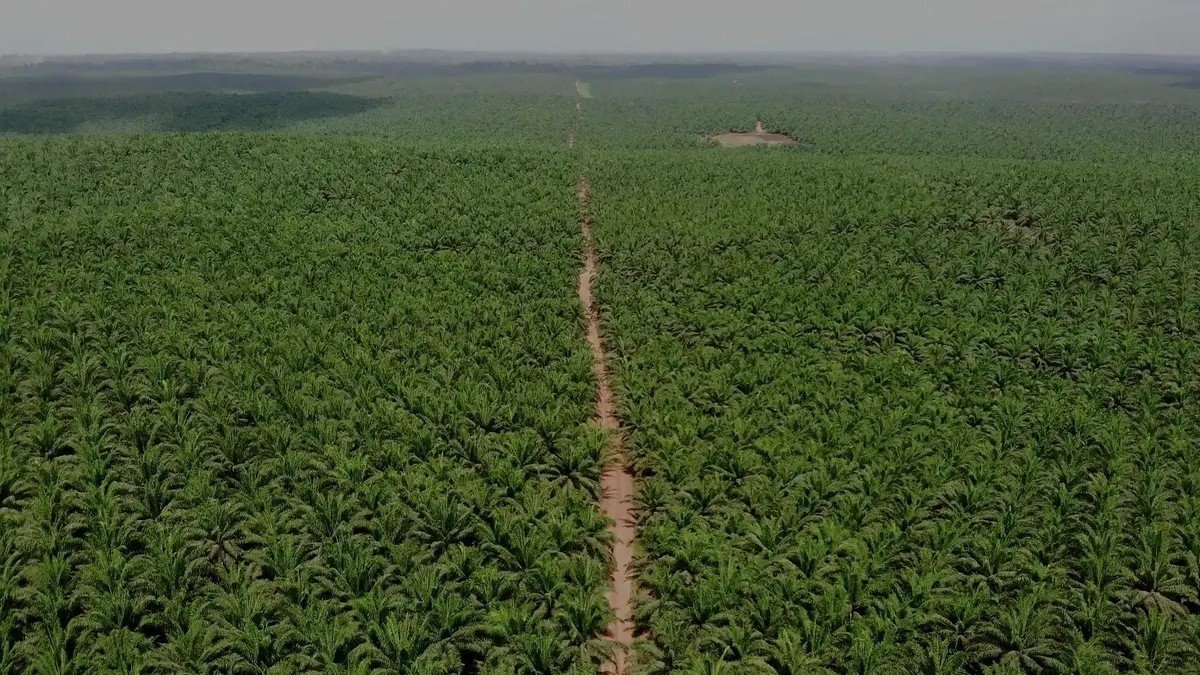
The state owns 80.46% of TOPP, according to the company’s website. Established in 1977, it operates a 4,280-hectare estate and a mill capable of processing up to 100,000 tonnes of fruit each year.
Oil palm has also been suggested as a way to restore land damaged by mining. In August, Dr Andy Osei Okrah, head of the Tree Crops Development Authority, proposed planting oil palm on degraded mine sites.
President John Dramani Mahama is due to chair a meeting of ministers and security chiefs at Jubilee House on Tuesday, December 1, to review the government’s strategy for tackling illegal mining.