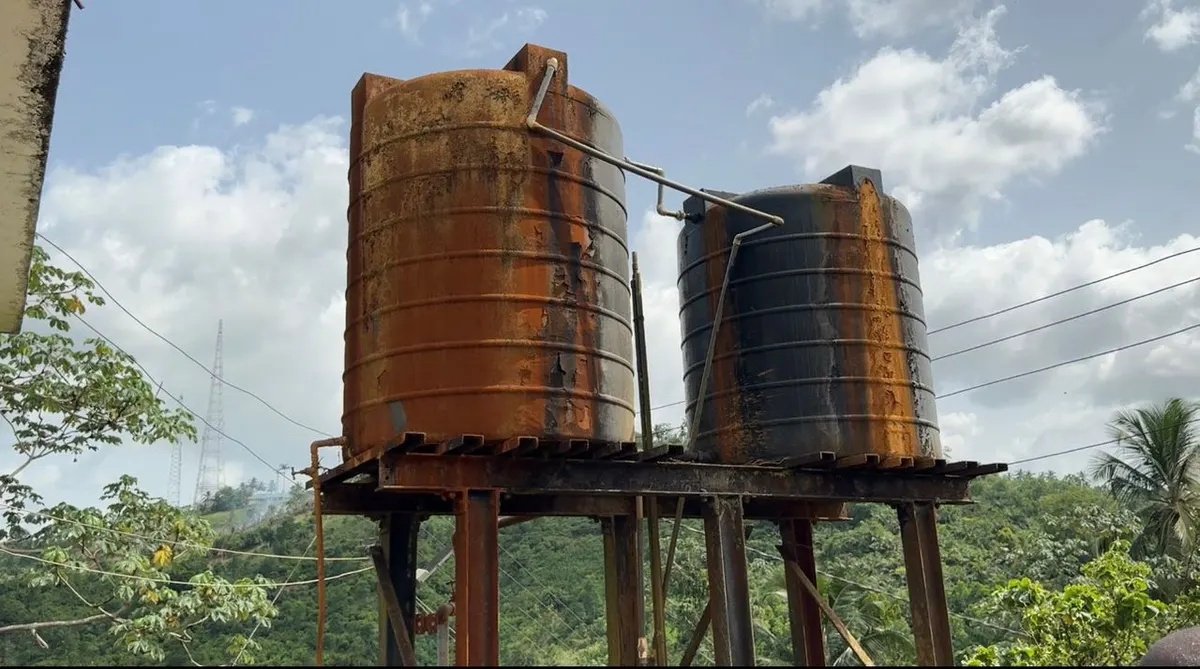
Asesewa’s traditional authorities have given the Community Water and Sanitation Agency (CWSA) until Tuesday, December 1, 2026, to leave the town’s water office and return control of its water supply system to the community.
The directive was issued by the Asesewa Divisional Council, which says agency staff must vacate the office so local authorities can resume responsibility for managing the system.
Nene Offei Tagbadja, Divisional Chief of Asesewa in Manya Krobo, outlined the council’s position in comments reported on Saturday, November 28. He accused the state agency of failing to operate the water system effectively and of not properly accounting for revenue collected from residents.
The council said it formally wrote to the agency on Monday, November 23, 2026, setting out its concerns and notifying it of the demand to hand back the facility.
According to the council, Asesewa had accumulated more than GH¢90,000 before the takeover. The money had been earmarked for an additional overhead tank and sanitation materials.
It also said that, during the period when the town managed the system itself, its capacity increased by more than 150 per cent over eight years.
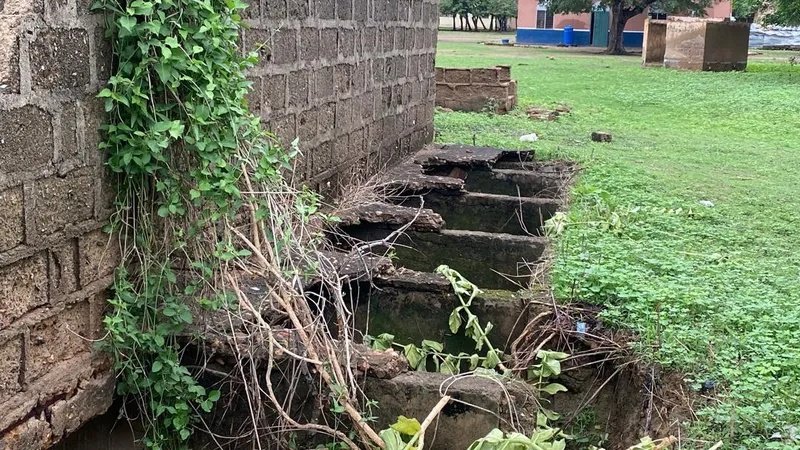
The council further alleged that some workers collected between GH¢1,500 and GH¢5,000 from residents for water meters which were never delivered. It claimed that revenue generated in Asesewa was used to finance projects in other locations, while maintenance had been neglected in nearby communities including New Ebrim and Akim Sekyere.
Residents have been instructed not to make water-bill payments to the agency for the time being. The council said future payments would instead be deposited into a designated bank account.
Management of the system is expected to be transferred to a local board working with the Upper Manya Krobo District Assembly. The council said the board would be required to present an annual report to residents.
Any proposed change to water tariffs would also require the approval of the community, according to the council’s position.
The dispute comes under the agency’s Community Ownership and Management model, through which beneficiary communities are responsible for operating their own water facilities.
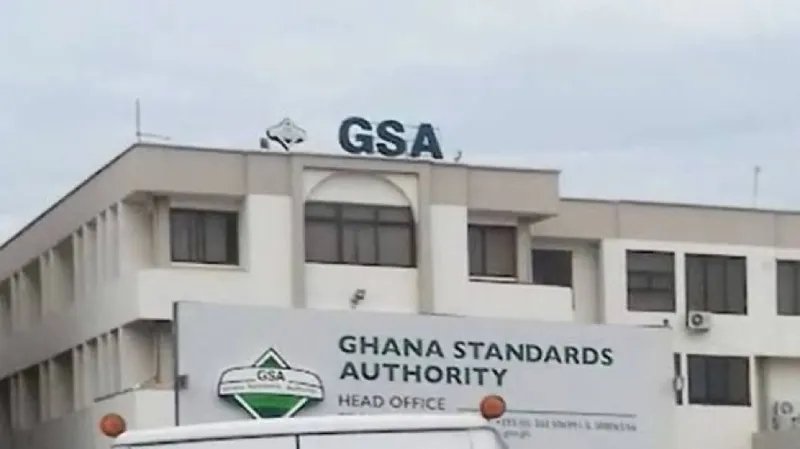
The Community Water and Sanitation Agency was established under Act 564 of 1998. It says policy reforms in 2017 led it to assume direct responsibility for managing small-town piped-water systems.
The agency had not publicly responded to the directive by Saturday, November 28.
The disagreement comes as towns across the country continue to face pressure over water supply.