The Bank of Ghana has given lenders 12 months to produce a clear, measurable plan for using alternative data in credit decisions, in a move aimed at widening access to loans for people and businesses without collateral or formal credit histories.
The directive was issued at a two-day Data Providers Conference held at the Alisa Hotel in Accra. The event was co-hosted by the Bank of Ghana and the International Finance Corporation, with support from Switzerland’s SECO.
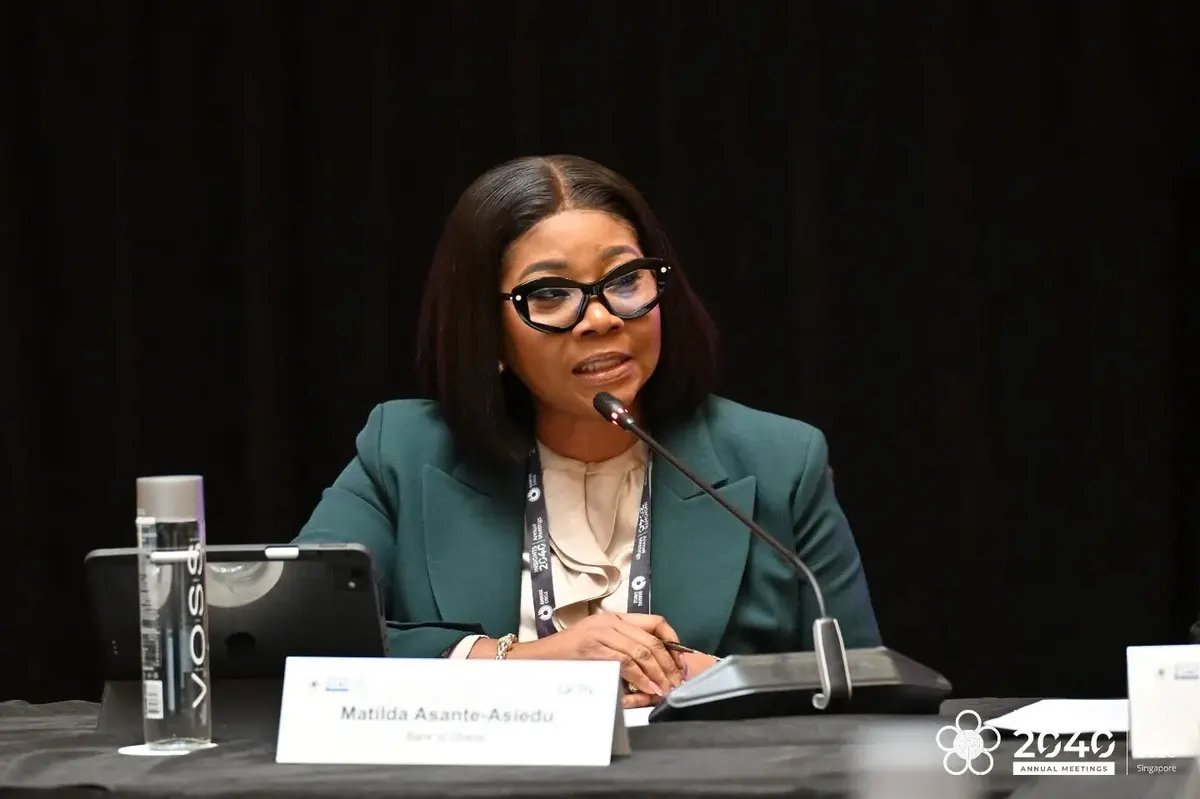
Dr Settor Kwabla Amediku, the Governor’s Special Aide on Financial Stability, opened the conference on behalf of Second Deputy Governor Matilda Asante-Asiedu. He challenged participants to agree a practical roadmap within the next year and ensure that progress could be measured.
The proposed approach would allow lenders to consider information such as mobile money transaction histories, utility bill payments and settlements made to suppliers. These records could provide evidence of financial activity for applicants who have never borrowed through the formal banking system.
Private-sector credit rose by 37.2 per cent in October to GH¢135.7bn, according to central bank data. However, lenders continue to face difficulties assessing potential borrowers whose financial behaviour is not captured by conventional credit records.
Dr Amediku highlighted the issue with the example of a trader at Makola Market who uses a phone to pay suppliers and settle bills but is unable to secure working capital because she has no borrowing history.
He said safeguards around consumer privacy and the ethical use of financial information were essential. The Bank of Ghana, he added, wanted a system that could identify viable economic activity while maintaining financial stability.
Deo Onyango, the International Finance Corporation’s Principal Country Officer for Ghana, said financial institutions needed to move beyond traditional records in a country with about 1.9 million enterprises.
He said the conference should determine which alternative data sources should be prioritised, set out the responsibilities of each institution and establish how the organisations involved would continue working together after the meeting.
The conference also considered the findings of a diagnostic study on alternative data and lending. The study was an assessment of the feasibility of using such information within Ghana’s credit-reporting system and was commissioned by the International Finance Corporation.
The discussions form part of the International Finance Corporation’s credit-reporting support programme for Ghana. The programme promotes the use of alternative data to help small enterprises that lack established credit histories gain access to finance.
The case for using non-traditional financial information has also been made on behalf of women farmers ahead of National Farmers’ Day in Sunyani on 4 December.
Amma Gyampo, Chief Executive of the Ghana Venture Capital and Private Equity Association, said banks should consider MoMo transaction histories instead of relying solely on collateral requirements that prevent many farmers from accessing credit.