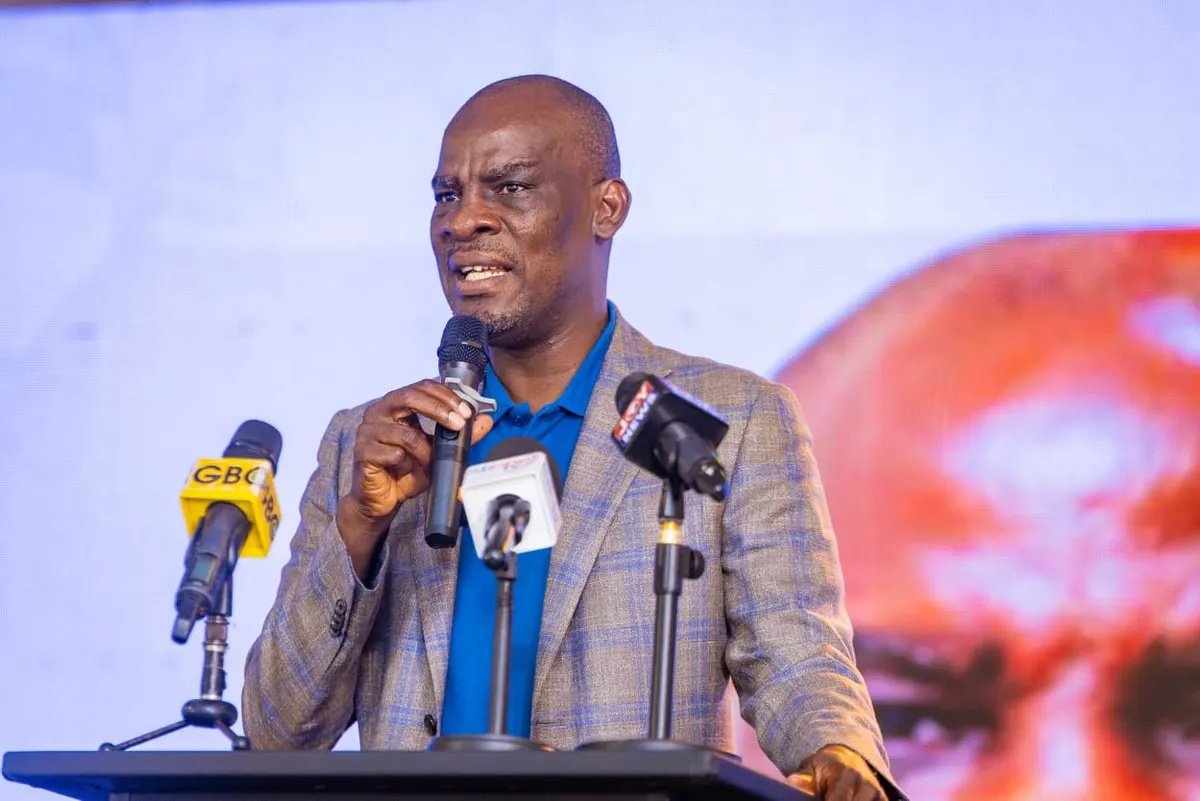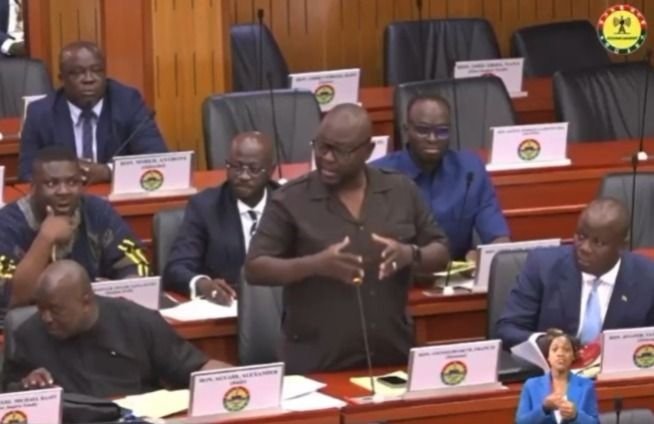
Member of Parliament for Bantama, Francis Asenso-Boakye, has urged the Government to give district assemblies greater control over how they use allocations from the District Assemblies Common Fund.
Speaking during Parliament’s debate on the 2027 Budget, Mr Asenso-Boakye said nationally determined spending requirements risked overriding the priorities identified by individual communities.
He referred to guidelines from the previous year which set aside 25% of Common Fund releases for markets under the 24-Hour Economy programme. While a new market could be important in one district, he said another area with an existing market might instead need a school, improved sanitation or repairs to a failing drain.
Mr Asenso-Boakye said assemblies were legally required to prepare their own development plans, and questioned how those plans could shape local investment if central government decided in advance which projects had to be funded.
“What is the purpose of having Assemblies prepare their own development plans, only for the central government to tell them what to do?” he asked.
He said district authorities should be allowed to determine whether their most urgent needs were markets, schools, sanitation facilities or drainage infrastructure.
Calls for updates on road projects
The Bantama MP also called on the Government to publish completion schedules for the PTC Interchange in Takoradi and the Nungua Interchange.
He said both projects were reported to be about 80% physically complete when the administration changed, but were still described as stalled as of October 2026.
Mr Asenso-Boakye asked the Finance Minister to provide further details on the future of construction already under way along the existing Accra-Kumasi corridor.
According to him, the Anyinam, Osino, Enyiresi and Konongo bypasses had each exceeded 70% physical completion at the transition. He added that the 2026 Budget had put the progress of dualisation works on the corridor at 64%.
He said the level of detail provided on financing for the proposed Accra-Kumasi Expressway should be matched by a clear timetable for finishing projects already in progress.
Delays, he warned, could result in further deterioration of unfinished works, additional costs from remobilising contractors and new claims. He said motorists and businesses were also continuing to face longer journeys and higher operating costs as a result.
Citing Article 35(7) of the Constitution, Mr Asenso-Boakye said the Government should give reasons, along with the financial implications, whenever it concluded that an inherited project could not realistically be completed.
By Benjamin Aidoo