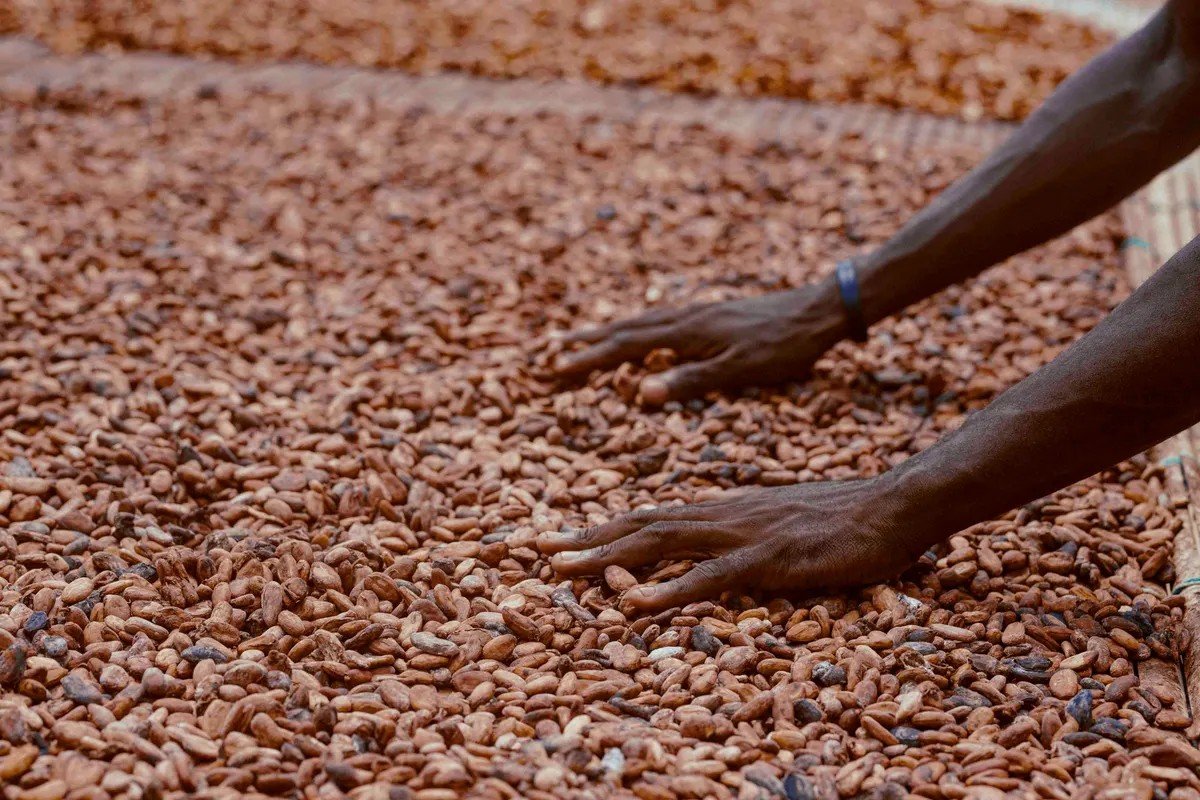
Ghana will stop exporting raw cocoa beans by 2030, Finance Minister Cassiel Ato Forson announced while presenting the 2027 Budget to Parliament on Thursday, November 12.
The government has set a target of processing at least half of the country’s cocoa domestically by 2028, with all production to be processed in Ghana by 2030. The policy is intended to complete the transition towards a ban on raw cocoa exports.
The plan extends beyond the initial grinding of cocoa beans. It includes the production of cocoa liquor, butter, cake, powder, chocolate and cosmetics, as well as other finished goods.
Ghanaian businesses, researchers and brands are expected to participate across the value chain.
“The country that grows the bean must retain a far greater share of the industry built around it,” Mr Forson told Parliament.
Trade, Agribusiness and Industry Minister Elizabeth Ofosu-Adjare made a similar argument earlier in November, saying Ghana needed to process at least half of its cocoa domestically to reduce the economy’s exposure to fluctuations in global prices.
Wisdom Dogbey, managing director of Cocoa Marketing Company, has also called for greater investment in local processing.
Production rises as global prices fall
The policy follows a strong 2025/26 cocoa season. Production reached 771,000 metric tonnes by August 2026, while cumulative purchases totalled 690,000 tonnes.
The financial position of COCOBOD also improved during the period. Its debt stock dropped from GH¢32.5 billion in March 2025 to GH¢30.55 billion by August 2026.
Liabilities linked to cocoa roads fell from GH¢21 billion to GH¢6.9 billion after a field verification exercise.
However, the announcement comes as international cocoa prices weaken. Cocoa averaged US$4,543.15 per tonne during the first nine months of 2026, a fall of 48.9 per cent compared with the same period in 2025.
Despite the lower average price, Ghana earned US$3.0 billion from cocoa exports during the period, according to figures in the Budget. That represented a 15.9 per cent increase year on year.
The Budget Statement predicts that cocoa production will decline in 2027 because of the effects of El Nino. A crop scientist from the University of Cape Coast warned this week that high temperatures were already causing “serious flower abortion” across the cocoa belt.
Details of export ban still unclear
The Budget Statement does not identify the legislation that would enforce the proposed ban, nor does it set a specific date beyond the 2030 target.
It also provides no details about financing to help triple domestic processing capacity. The document does not state whether the policy will affect farmer prices or cocoa export earnings before the full transition is completed.