Ghana and Togo have called for deeper cooperation, stronger social cohesion and more resilient border communities during a joint working session of the Gulf of Guinea Northern Regions Social Cohesion (SOCO) Project.
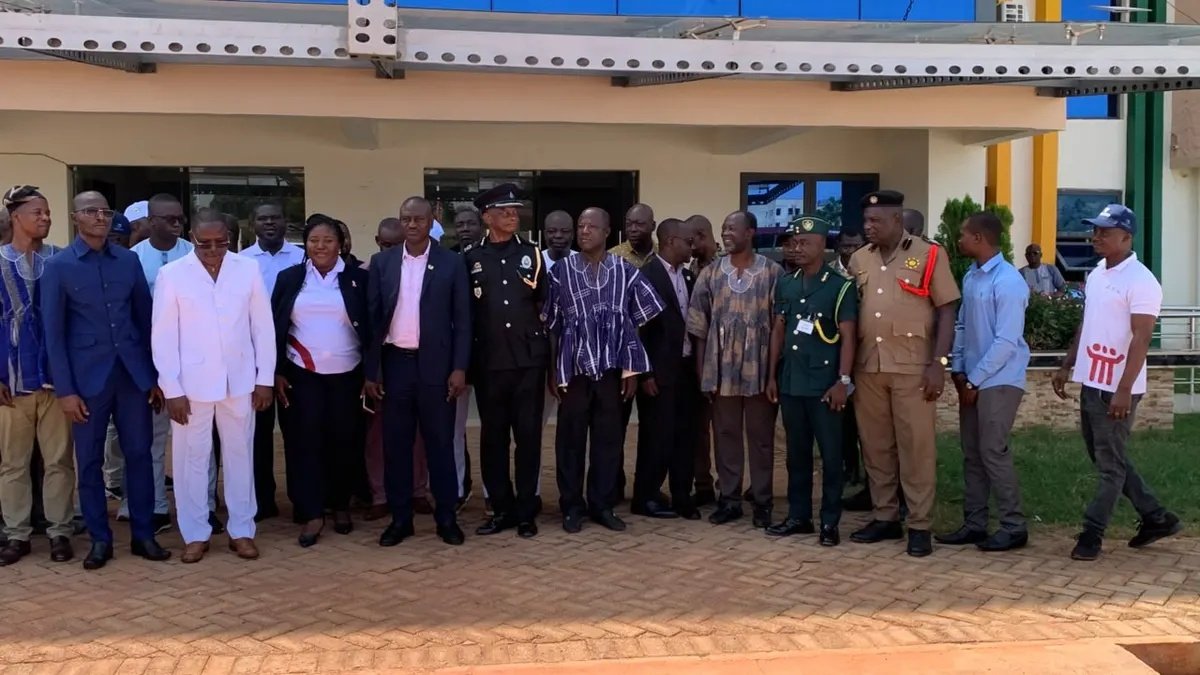
The meeting took place on Tuesday, October 27, 2026, at the North East Regional Coordinating Council in Nalerigu. Government representatives from both countries attended alongside regional coordinating authorities, SOCO Project implementation units, members of the Regional Security Council (REGSEC), the media and other stakeholders.
Discussions focused on progress with the project and ways to respond to emerging security and development challenges affecting communities along the Ghana-Togo border.
In his welcome address, the North East Regional Minister, Hon. Ibrahim Tia, said the two countries had strong longstanding ties based on shared history, culture, social connections and economic activity.
He said families, traditional authorities, traders and markets on both sides of the border had helped establish relationships that could support peace, security and sustainable development.
However, Hon. Tia warned that border communities faced growing risks arising from instability in the Sahel. These included violent extremism, cross-border crime, illicit arms trafficking and population displacement.
He said insecurity could spread beyond national boundaries, disrupting livelihoods, trade, public safety and stability in neighbouring countries. He called for coordinated action and stronger partnerships to address the conditions that leave communities vulnerable to conflict.
The minister said regional cooperation and development that places communities at its centre were increasingly important to maintaining peace. He urged participants to share knowledge and experience, examine challenges affecting implementation and agree practical recommendations for improving SOCO interventions.
Project aims to strengthen resilience
Supported financially by the World Bank, the SOCO Project is being implemented in Ghana, Togo, Benin and Cote d’Ivoire. Its objectives are to strengthen social cohesion, improve socio-economic and climate resilience, and reduce the risks linked to fragility, conflict and violence in vulnerable communities.
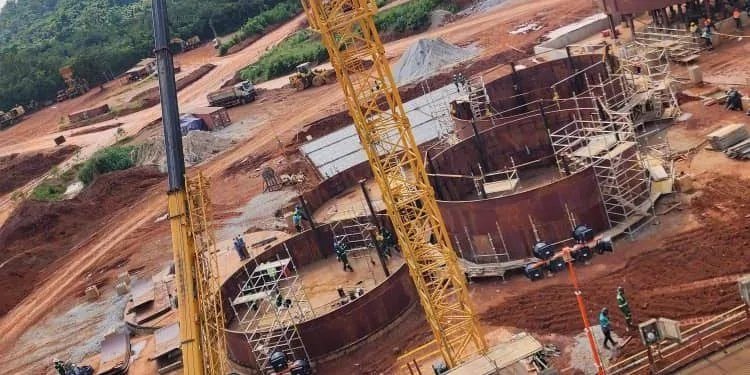
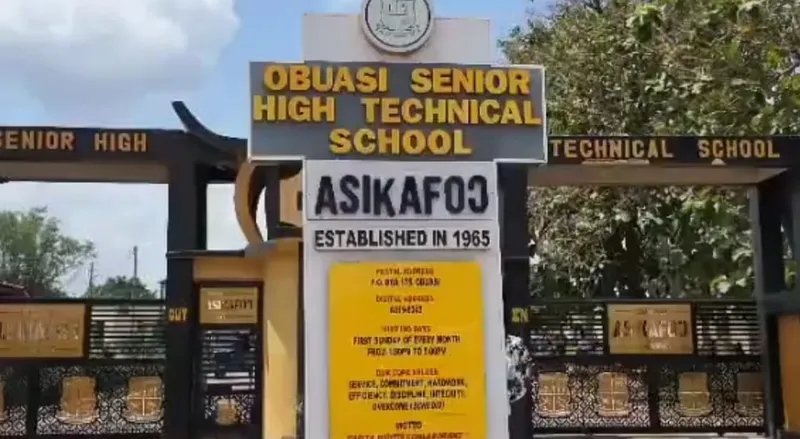
In Ghana, the project covers 48 Metropolitan, Municipal and District Assemblies across six beneficiary regions, including the North East Region. Its investments include education, healthcare, markets, water systems and livelihood activities, with a particular focus on expanding opportunities for women and young people.
Hon. Tia said the impact of those investments would depend on the active involvement of communities and local institutions in planning, implementation and monitoring. He called for projects to be inclusive, responsive to local priorities and beneficial to vulnerable groups.
He added that success should be judged not only by the number of facilities constructed, but also by service quality, improved livelihoods, public trust and the contribution made to lasting peace and stability.
Participants were encouraged to strengthen cooperation between traditional authorities, local institutions, regional authorities and project teams. Hon. Tia also stressed the need to involve border communities in decision-making, particularly women, young people and other vulnerable groups.
The session reviewed progress, considered implementation difficulties and examined ways to improve coordination and service delivery. Hon. Tia urged stakeholders to turn their discussions into practical results that would improve lives and reinforce ties between Ghana and Togo.
He thanked the World Bank, the governments of Ghana and Togo, project implementation units and other stakeholders for supporting the initiative, and called for renewed commitment to peace, unity, cooperation and sustainable development along the border.