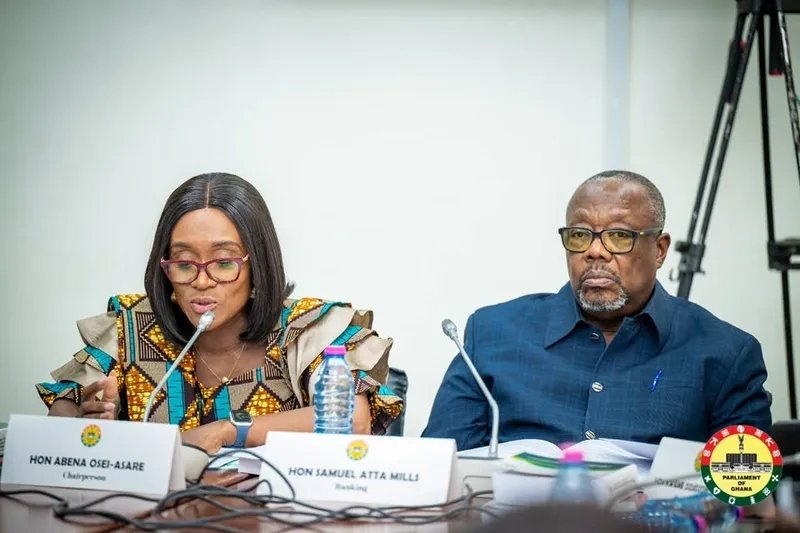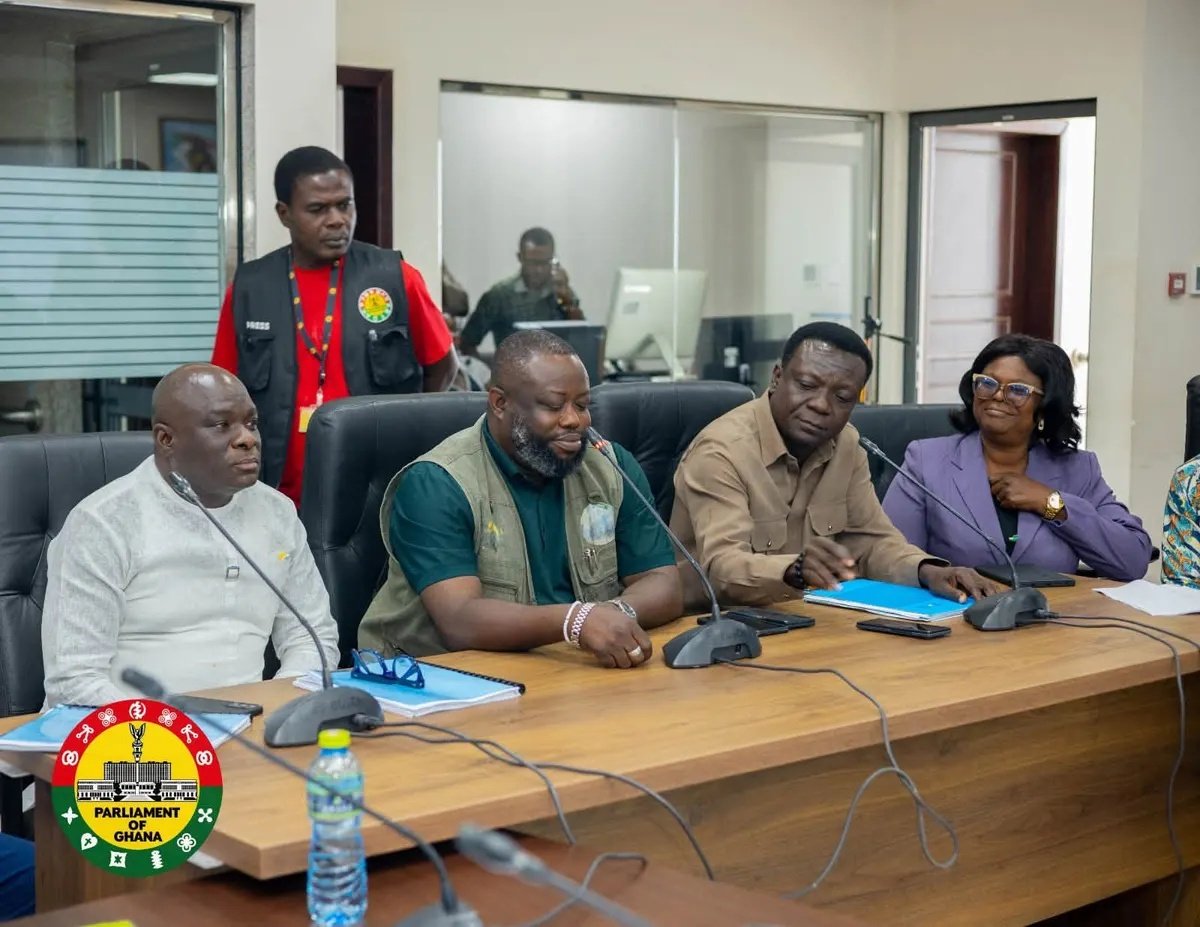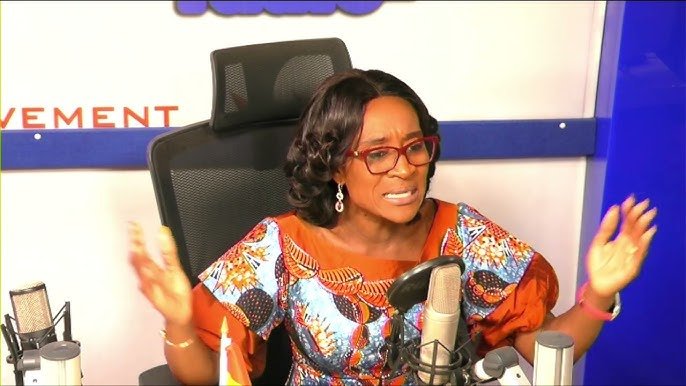
Address the floor of Parliament, Hon. Abena Osei-Asare, Member of Parliament for Atiwa East and former Deputy Finance Minister, delivered a powerful critique of the 2025 Mid-Year Budget Review, urging the House to look beyond abstract fiscal metrics and focus on the tangible economic realities confronting ordinary Ghanaians.
Hon. Abena Osei-Asare has asserted that the nation has reached a pivotal juncture where statistical indicators and economic data alone cannot encapsulate the true state of Ghana’s economy. Speaking with conviction during parliamentary deliberations, she contended that the real test of the budget’s success lies not in technical jargon or declining inflation figures, but in the lived experiences of Ghanaians.
“Ghanaians don’t live in the budget; they live in the economy,” she stressed, challenging the Finance Minister’s glowing portrayal of economic recovery.
According to Hon. Abena, inflation has purportedly dropped from 23.8% to 13.7% within six months, and public debt, through exchange rate dynamics, has been reduced from GH637 billion to GH613 billion. However, she questioned the substantive impact of these figures, pointing out that these adjustments do not stem from structural reforms or sound fiscal discipline, but rather from mathematical recalibrations due to currency fluctuations.
“This is not fiscal prudence; it is mere arithmetic,” she remarked, cautioning that the apparent debt reduction attributed to the cedi’s appreciation does not translate into actual economic relief for citizens.
She further criticized the government’s claim of reducing domestic interest costs by $4.9 billion, arguing that if such savings were truly realized through the cedi’s 42% appreciation against the dollar, then external interest payments should have equally declined. Contrarily, the revised figures show that external interest obligations have increased by $1 billion, a contradiction that she said raises serious concerns about the credibility of the government’s narrative.
“Let’s go beyond the numbers,” she reiterated. “The numbers may look good on paper, but Ghanaians are not feeling the supposed relief in their pockets, in their shopping baskets, or on their utility bills.”
In her concluding remarks, the former Deputy Finance Minister drew attention to the execution gap between budgetary allocations and actual disbursements. She revealed that although government earmarked approximately GH3 billion for the operational needs of Ministries, Departments, and Agencies (MDAs) in the first half of the year, only about GH¢1 billion was reportedly spent, an alarming underperformance she described as detrimental to service delivery.